
ABOUT US
We built the Program we were looking for
The Reset Society was founded by two people who know this territory personally, not just professionally. We didn't build this program from a distance. We built it from inside the same patterns, the same exhaustion, the same slow process of learning to choose differently.
Debby brings the psychological framework, the coaching depth, and the program design. Jolanda brings the community, the facilitation, and the lived experience of holding people across cultures and contexts.
What we share is a belief that change doesn't happen in isolation. It happens in the presence of the right structure, the right support, and people who have done enough of their own work to hold space for yours.
That is what The Reset Society is built on.
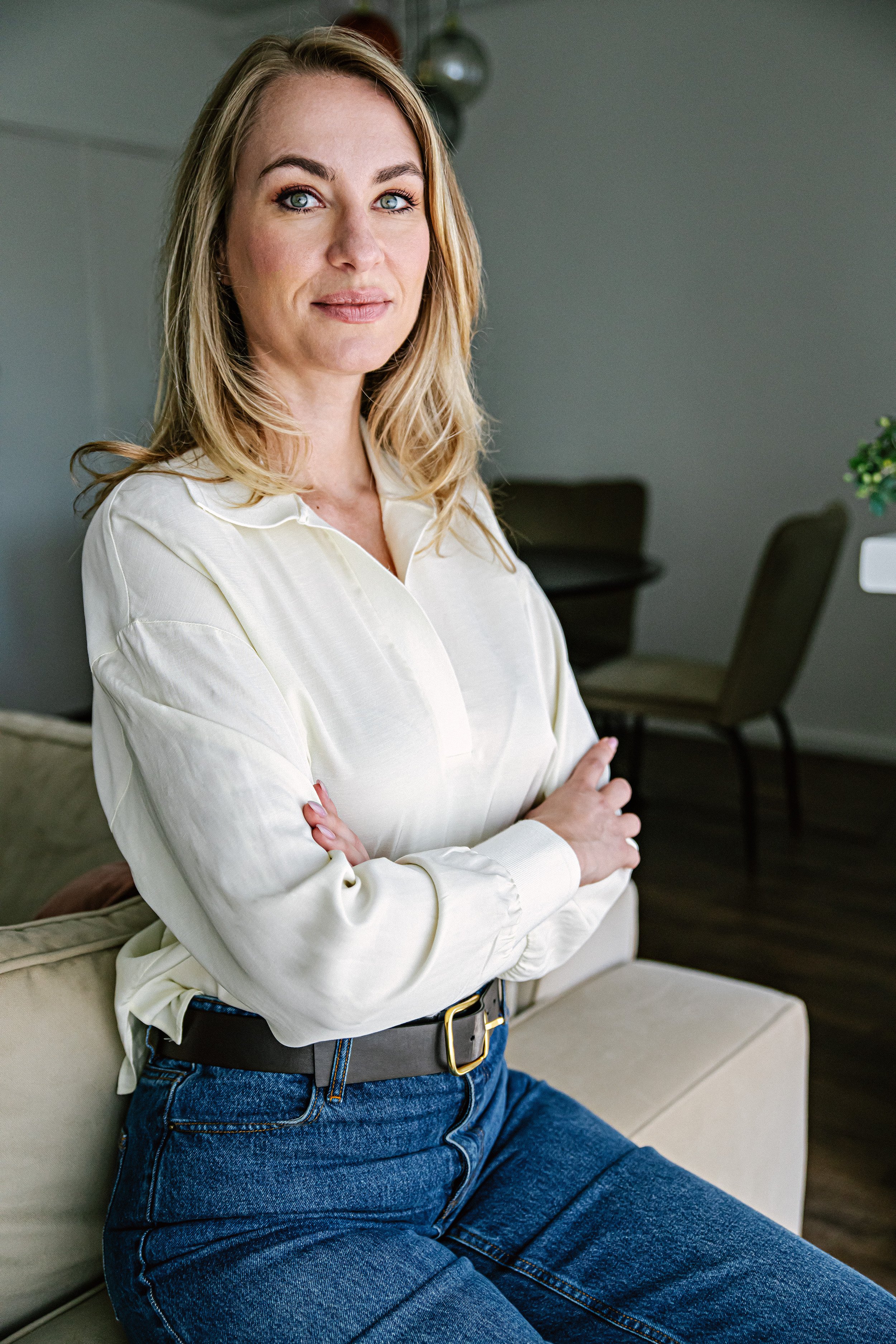
Debby Plokhaar
Program Director & Lead Coach
MSc Change Management · Certified Coach, Nonons · Psychology, Open University · Somatic & Nervous System Training, The Embody Lab.
Before launching The Reset Society, I spent years helping organisations navigate complex change as a management consultant while coaching individuals alongside my corporate work. The Reset Program was refined through a pilot group before its public release and continues to evolve through participant feedback.
My work isn't about fixing people. It's about helping them recognise the patterns that once protected them, develop the capacities they were never taught, and create a life that reflects who they truly are.
Many people function well long before they feel connected to themselves. They perform. They carry responsibility. They look successful from the outside. Yet under pressure, old survival patterns quietly take over. Insight alone rarely changes that.
I know this because I lived it.
I grew up in an environment shaped by unprocessed trauma and learned early to anticipate, adapt, and take responsibility. Hypervigilance, people-pleasing, perfectionism and over-responsibility became so familiar that they felt like my personality rather than adaptations.
For years I carried those patterns into my work and relationships without recognising them for what they were. They had once helped me survive. But eventually they also kept me from living fully.
My own journey led me through psychology, coaching, nervous system work, meditation and years of practice. Along the way I discovered something that changed everything: people don't simply change because they understand themselves. They change when they build the capacity to stay present with difficult emotions, trust themselves, and make choices that align with what truly matters.
That became the foundation of my work.
Why I Created The Reset Society
As a coach, I kept meeting intelligent, thoughtful people who had already done the work. They had read the books, listened to the podcasts, and often spent years in therapy or coaching. They understood their patterns, yet found themselves repeating the same relationship dynamics, abandoning promises to themselves, struggling with boundaries, or feeling disconnected from what they genuinely wanted.
I couldn't find a program that brought together everything that had mattered most in my own recovery: psychological insight, nervous system regulation, behavioural change, values, community, and consistent practice.
So we built one.
— Debby
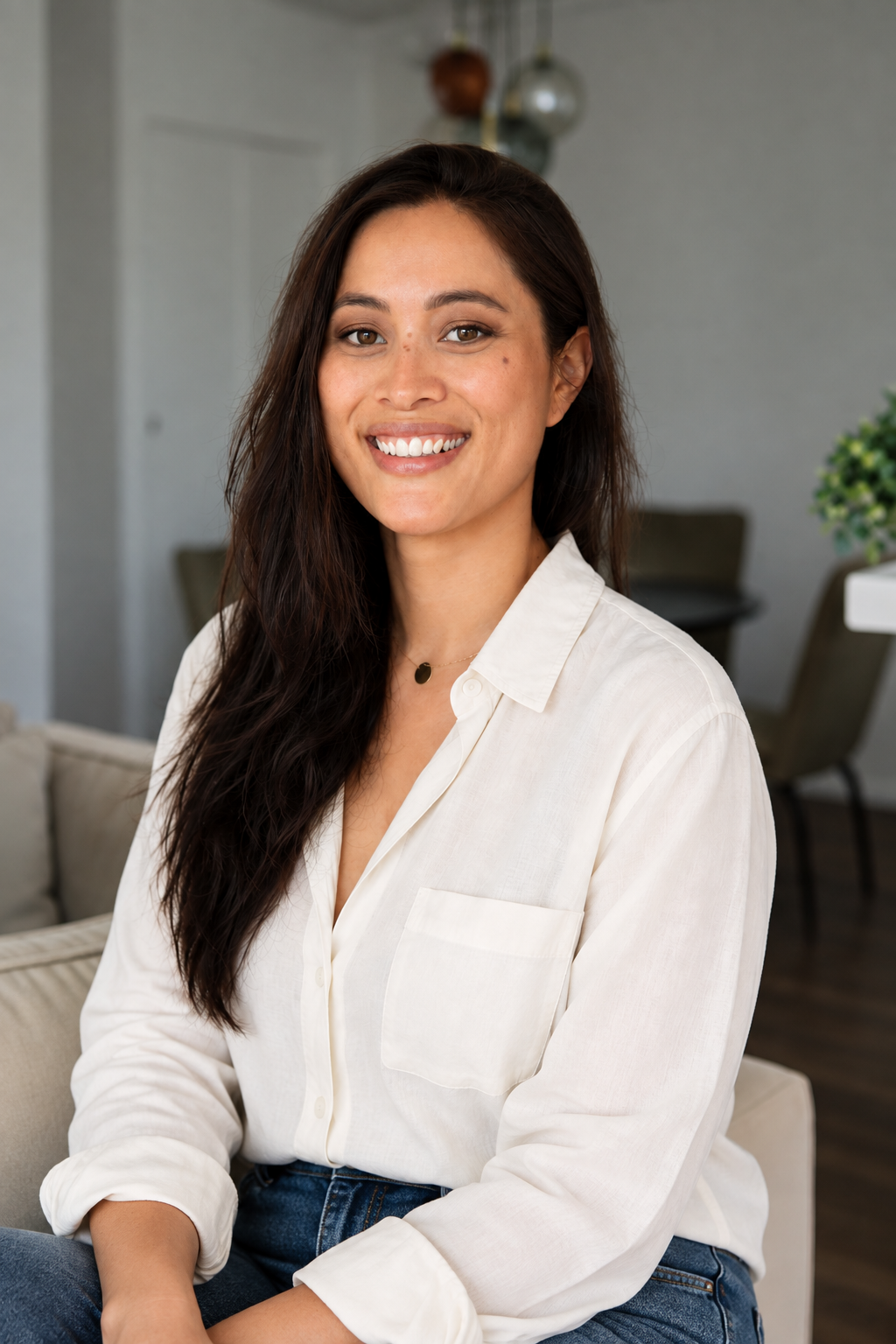
Jolanda Brandt
Community Lead & Program Facilitator
International Communications · Remote Year Group Lead · Corporate Retreat Facilitator · Travelled to 80+ countries
Before co-founding The Reset Society, I spent years bringing people together across cultures. As a Group Leader for Remote Year, I guided communities of digital nomads living and working around the world. Later, I designed and facilitated corporate retreats focused on connection, communication, and psychological safety.
Across every role, I kept noticing the same thing: people change most when they feel safe enough to be fully themselves.
I know that from personal experience, too.
Growing up, I learned to be capable, independent, and easy to care for. I became skilled at reading the room, adapting to what others needed, and keeping my own emotions in the background. Living between cultures deepened that feeling of standing between worlds. For a long time, I looked for belonging everywhere except within myself.
Travelling the world changed my perspective. Meeting people who had consciously designed their lives showed me that there isn't just one way to live. It sparked a journey inward—one of reconnecting with my emotions, learning to trust myself, and discovering that real freedom isn't found in movement alone, but in feeling at home within yourself.
That journey shapes how I show up in this work.
My Role at The Reset Society
While Debby leads the teaching and coaching, I focus on the space around the learning.
I welcome participants into the community, facilitate connection, support accountability, and help create an environment where people feel safe enough to practise new ways of relating—to themselves and to one another. Often, the biggest shifts don't happen during the lessons themselves, but in the conversations afterwards, the questions people dare to ask, and the moments when someone realises they are no longer carrying something alone.
Community isn't an extra feature of Reset.
It's part of how change happens.
I believe we heal and grow in relationships. When people experience genuine acceptance, curiosity, and connection, they become more willing to take the risks that meaningful change requires.
That's the kind of space I hope every participant experiences here.
— Jolanda